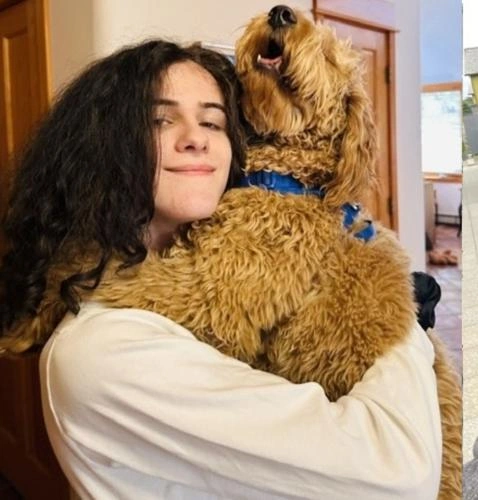
The University of Washington community is grieving and searching for answers after the fatal stabbing of 19-year-old student Juniper Blessing at the Nordheim Court apartment complex near the Seattle campus, a case that has now sparked national attention and renewed debate over campus safety, student housing security, and protections for LGBTQ+ students.
Seattle police confirmed that a suspect has been arrested following the shocking attack, which took place inside a laundry room at Nordheim Court, an off-campus student housing complex affiliated with the university. Authorities say the suspect, 31-year-old Christopher Leahy, turned himself in to Bellevue police after surveillance images were released publicly.
According to investigators, Blessing suffered more than 40 stab wounds during the attack, a detail that has deeply shaken students, faculty, and residents across the University of Washington community.
The killing has quickly become one of the most disturbing campus-area crimes in recent Seattle memory and has intensified conversations surrounding student housing security and the safety of vulnerable communities.
What Happened at Nordheim Court
The fatal stabbing occurred on the night of May 10 inside the laundry room of Nordheim Court Apartments, located near the University of Washington campus.
According to court documents reviewed by local media, Blessing was seen entering the laundry room shortly before 9 p.m. carrying laundry supplies. Investigators later determined the suspect also entered the room around the same time.
Police say another resident discovered the scene around 10:10 p.m. after entering the laundry area and immediately called 911. Emergency responders attempted lifesaving measures, but Blessing was pronounced dead at the scene.
One especially troubling detail from the investigation involves the laundry room surveillance camera. Detectives reportedly discovered the camera had been unplugged, although forensic specialists later recovered video data from its SD card.
That footage allegedly helped identify the suspect.
Suspect Turns Himself In
Following the release of surveillance images by Seattle police, Christopher Leahy surrendered to Bellevue police late Wednesday night.
According to investigators, multiple tips came in after the suspect photographs became public, including information from Leahy’s brother and a former acquaintance who recognized him from the released images.
Leahy has since been booked into King County Jail and is facing first-degree murder allegations. A judge reportedly set bail at $10 million during his first court appearance.
Defense attorneys argued for a lesser charge and lower bail, noting that Leahy voluntarily surrendered and had no known prior criminal history. Prosecutors, however, argued that the severity and brutality of the attack supported the first-degree murder accusation.
The investigation remains ongoing.
Who Was Juniper Blessing?
As the case gained national attention, family members and classmates began sharing tributes remembering Juniper Blessing as exceptionally talented, intelligent, and compassionate.
Blessing was studying Atmospheric and Earth Sciences at the University of Washington and had reportedly planned to continue exploring interests in music, philosophy, and atmospheric science.
Originally from Princeton, New Jersey, Blessing later moved to Santa Fe, New Mexico, where she attended the New Mexico School for the Arts and became known for her musical talent and academic promise.
Her family released a statement describing her as “the most amazing human being” they had ever known and said her loss “diminishes the world.”
Students at the University of Washington have since created memorials on campus honoring Blessing’s life.
Campus Safety Concerns Intensify
The killing has triggered widespread concern among University of Washington students, particularly those living in off-campus housing.
Many students have questioned how someone allegedly unaffiliated with the university was able to enter the residential complex and remain undetected inside the building. Reports also raised concerns about the disabled laundry room camera and whether additional security measures should have been in place.
Some students told local media they had previously experienced security concerns at Nordheim Court, including unauthorized individuals entering common areas.
The incident has intensified broader conversations happening at universities nationwide about:
- Residential security
- Surveillance systems
- Emergency response procedures
- Mental health support
- Student housing safety
- LGBTQ+ student protections
Many students say the case has permanently changed how safe they feel living near campus.
LGBTQ+ Community Reacts
The case has also deeply affected Seattle’s LGBTQ+ community because Blessing was a transgender woman.
Community members, activists, and students have expressed fear and grief following the killing, particularly during a period of rising national concern over violence targeting transgender individuals.
At this stage, investigators have not publicly identified a motive or classified the crime as hate-motivated.
However, the nature of the attack and the victim’s identity have led to emotional reactions throughout LGBTQ+ communities both locally and nationally.
Seattle officials and LGBTQ+ advocates have emphasized the importance of maintaining the city as a safe and welcoming environment for transgender residents and students.
University of Washington Responds
University of Washington President Robert Jones released statements expressing condolences to Blessing’s family and acknowledging the profound emotional impact the case has had on students and staff.
The university said it is cooperating closely with Seattle police while also expanding counseling and mental health support services for students affected by the tragedy.
Following the suspect’s arrest, university officials said they hoped the development would provide some measure of relief but acknowledged that the grief across campus remains overwhelming.
The school has also faced increasing pressure from students demanding stronger security measures around affiliated housing complexes.
A Larger Conversation About Student Safety
The Juniper Blessing case has become part of a much larger national conversation about student housing safety across American universities.
Over recent years, colleges have increasingly relied on privately managed or semi-affiliated housing complexes located near campuses. Critics argue these arrangements sometimes create confusion about responsibility for security and emergency protections.
Students and parents across the country are now asking difficult questions:
- Are surveillance systems properly maintained?
- How secure are student housing entrances?
- Are emergency systems effective enough?
- How quickly can police respond during violent incidents?
Cases involving violence near university housing often intensify fears because campuses are traditionally viewed as relatively protected environments.
The Investigation Continues
Seattle police say the investigation remains active as detectives continue reviewing evidence and digital surveillance material connected to the killing.
Authorities are still working to determine whether Blessing and the suspect knew each other or whether the attack was random.
For now, the University of Washington community continues mourning the loss of a young student whose future appeared filled with extraordinary promise.
As memorials grow across campus, many students say the tragedy has left a permanent emotional scar on the university community and renewed urgent questions about safety, security, and protection for vulnerable students living near campus.