When we discuss strings of guitar, we are referring to the most essential component of the instrument that directly produces sound. Without strings, a guitar is simply a hollow or solid piece of wood. The vibration of strings is what creates tone, rhythm, and musical expression.
We understand that every guitarist, whether beginner or professional depends heavily on string quality, type, and condition. The choice of guitar strings influences everything from tone clarity and sustain to playing comfort and tuning stability.
In this comprehensive guide, we explore everything about guitar strings in detail, including types, materials, gauges, maintenance, and how to choose the right set for your playing style.
Types of Guitar Strings

1. Acoustic Guitar Strings
We recognize that acoustic guitar strings are designed specifically for steel-string acoustic guitars. These strings are typically made from bronze or phosphor bronze, giving them a bright, rich, and resonant tone.
- 80/20 Bronze Strings: Known for a bright and crisp sound, ideal for studio recordings.
- Phosphor Bronze Strings: Offer warmer tones and longer durability due to added phosphorus content.
Acoustic strings are built to project sound naturally without amplification, making them ideal for folk, country, and singer-songwriter styles.
2. Electric Guitar Strings
We use electric guitar strings designed to interact with magnetic pickups. These strings are usually made from nickel-plated steel or pure nickel.
- Nickel-Plated Steel Strings: Balanced tone with brightness and warmth.
- Pure Nickel Strings: Vintage-style tone, smoother and warmer sound profile.
Electric guitar strings are essential for genres like rock, blues, jazz, and metal, where tonal flexibility and sustain are critical.
3. Classical Guitar Strings
We understand that classical guitar strings are different from steel strings. They are made from nylon and sometimes silver-plated copper for bass strings.
- Treble strings: Clear nylon
- Bass strings: Nylon core wrapped with metal winding
These strings produce a soft, mellow tone suitable for classical, flamenco, and fingerstyle playing.
Guitar String Materials and Their Impact on Tone
Bronze and Phosphor Bronze
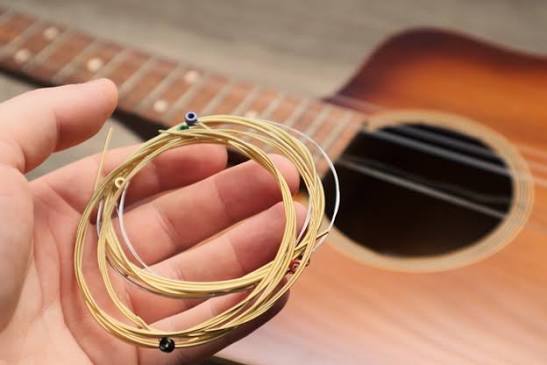
We find that bronze strings produce a bright and sharp tone, while phosphor bronze adds warmth and corrosion resistance. These materials are commonly used in acoustic guitars.
Nickel and Steel
We use nickel and steel in electric guitar strings because they interact well with magnetic pickups. Nickel provides warmth, while steel increases brightness and attack.
Nylon
We recognize nylon strings as the standard for classical guitars. They are soft on fingers and produce a gentle tone, ideal for beginners and classical musicians.
Understanding Guitar String Gauge
We consider string gauge one of the most important factors affecting playability and tone. Gauge refers to the thickness of strings.
Light Gauge Strings
- Easier to play
- Ideal for beginners
- Bright tone but less volume
Medium Gauge Strings
- Balanced tone and playability
- Suitable for most styles
Heavy Gauge Strings
- Louder and fuller tone
- Requires more finger strength
- Preferred for drop tunings and aggressive playing styles
Choosing the right gauge directly affects bending ability, sustain, and comfort.
How Guitar Strings Affect Sound Quality
We understand that guitar strings play a direct role in shaping sound. Fresh strings deliver:
- Brighter tone
- Better sustain
- Improved tuning stability
- Clear articulation
As strings age, they accumulate dirt, sweat, and oil, leading to dull tone and reduced responsiveness. Regular replacement ensures consistent sound quality.
How to Choose the Right Guitar Strings

We recommend selecting strings based on the following factors:
1. Playing Style
- Strumming: Medium gauge acoustic strings
- Lead guitar: Light gauge electric strings
- Fingerstyle: Balanced tension nylon or phosphor bronze
2. Genre of Music
- Rock/Metal: Heavy nickel strings
- Blues/Jazz: Pure nickel or medium gauge
- Classical: Nylon strings
3. Skill Level
- Beginners: Light gauge for easier finger pressure
- Intermediate/Advanced: Custom gauges based on technique
4. Guitar Type
Always match string type with guitar category:
- Acoustic → Bronze strings
- Electric → Nickel/steel strings
- Classical → Nylon strings
How Often Should Guitar Strings Be Changed?
We recommend changing strings based on usage:
- Frequent players: Every 2–3 weeks
- Regular players: Every 1–2 months
- Occasional players: Every 3–6 months
Signs you need a change include dull tone, tuning instability, visible rust, and reduced sustain.
Proper Maintenance of Guitar Strings
We emphasize that proper maintenance extends string life significantly.
Cleaning After Playing
We suggest wiping strings with a dry microfiber cloth after each session to remove sweat and oils.
Using String Cleaners
Special string cleaning solutions help reduce corrosion and extend brightness.
Hand Hygiene
Clean hands before playing to reduce dirt buildup.
Storage Conditions
Avoid humidity and extreme temperatures, as they damage both strings and the guitar body.
Common Problems with Guitar Strings
1. String Breakage
We identify over-tensioning, old strings, and sharp bridge edges as common causes.
2. Tuning Instability
New strings often stretch, but poor installation can also cause instability.
3. Corrosion
Exposure to sweat and moisture leads to rust and reduced lifespan.
How to Change Guitar Strings Step-by-Step
We follow a simple method for replacing strings:
- Loosen and remove old strings
- Clean the fretboard
- Insert new string into bridge
- Wind string around tuning peg
- Stretch and tune gradually
- Repeat tuning until stable
Proper installation ensures better tone and tuning reliability.
Best Practices for Long-Lasting Strings
We recommend the following habits:
- Store guitar in a case when not in use
- Use coated strings for longer life
- Avoid excessive bending of low-quality strings
- Regularly check tuning stability
These practices ensure your strings remain fresh and responsive for longer periods.
Conclusion
We conclude that guitar strings are far more than simple components—they define the soul, tone, and performance of the instrument. Choosing the right material, gauge, and type can dramatically transform your playing experience.
Whether you are a beginner learning basic chords or a professional performing on stage, understanding guitar strings allows you to unlock better tone, improved comfort, and long-lasting performance.