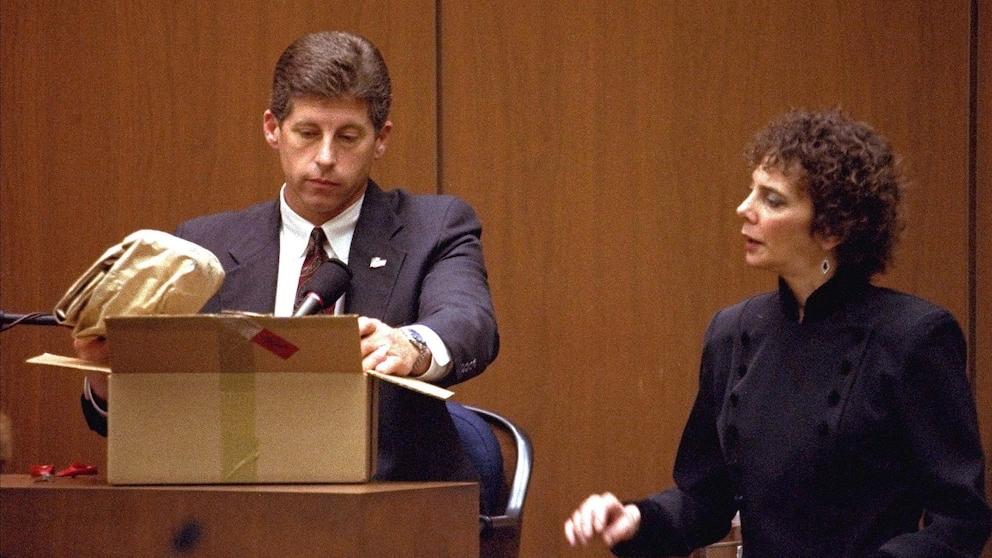
Mark Fuhrman, the former Los Angeles Police Department detective whose role in the OJ Simpson murder trial made him one of the most controversial law enforcement figures in modern American history, has died at the age of 74 following a reported battle with throat cancer.
Fuhrman became internationally known during the highly publicized 1995 murder trial involving former NFL star OJ Simpson, a case that transformed television news, celebrity culture, and public conversations about race and policing in America. While supporters viewed him as a determined homicide investigator, critics argued that revelations surrounding his past comments and testimony deeply damaged the prosecution’s credibility during one of the most watched criminal trials ever broadcast.
News of Fuhrman’s death has reignited public reflection on both his career and the trial that permanently changed the American media landscape.
Who Was Mark Fuhrman?
Mark Fuhrman was a longtime LAPD detective who spent years working homicide investigations before becoming a central figure in the OJ Simpson case.
Born in 1952, Fuhrman joined the Los Angeles Police Department in the 1970s and eventually developed a reputation as an aggressive investigator. Over time, he worked numerous violent crime cases and became involved in some of the city’s most high-profile investigations.
However, despite his experience in law enforcement, Fuhrman’s name ultimately became inseparable from the Simpson murder trial.
The case turned him from a local detective into a nationally recognized and heavily debated public figure almost overnight.
The OJ Simpson Trial
The murders of Nicole Brown Simpson and Ronald Goldman in 1994 quickly became one of the most heavily covered criminal cases in American history.
OJ Simpson, the former football star and actor, was arrested and charged with the killings after a dramatic police pursuit that millions watched live on television.
During the investigation, Fuhrman played a major role in collecting evidence and testifying for the prosecution.
One of the most significant moments involved Fuhrman’s discovery of a bloody glove at Simpson’s property, evidence prosecutors believed linked Simpson directly to the crime scene.
At first, Fuhrman appeared to strengthen the prosecution’s case. But as the trial progressed, his credibility became a major issue.
The Controversy That Changed The Trial
Fuhrman’s testimony became one of the most explosive parts of the trial after defense attorneys introduced recordings in which he used racist language and made inflammatory comments.
The tapes, recorded years earlier during interviews for a screenplay project, created a massive controversy inside and outside the courtroom.
Defense lawyers argued that Fuhrman’s conduct raised serious concerns about police bias and evidence handling.
The issue became so damaging that Fuhrman was later asked under oath whether he had used racist slurs in the previous decade. When confronted with the recordings, he invoked the Fifth Amendment rather than answering additional questions.
That moment became one of the defining images of the trial.
Many legal analysts later argued that the controversy surrounding Fuhrman significantly weakened public trust in the prosecution’s case.
A Trial That Changed America
The OJ Simpson case became much larger than a criminal trial.
It evolved into a national debate involving race, celebrity, policing, media coverage, and the American justice system.
Television networks covered the trial daily, turning courtroom proceedings into cultural events watched across the country.
Fuhrman’s role in the trial placed him directly at the center of those national conversations.
For many Americans, he symbolized broader tensions surrounding policing and race relations during the 1990s.
Others believed he became a scapegoat within a much larger media spectacle.
Decades later, the trial remains one of the most analyzed criminal cases in American history.
Life After The Simpson Case
Following the trial, Mark Fuhrman retired from the LAPD and later reinvented himself as a television commentator and true crime author.
He wrote several books focused on criminal investigations, law enforcement, and unsolved cases.
Over time, Fuhrman appeared regularly on cable news and crime-related television programs where he discussed major investigations and legal developments.
Despite the controversy surrounding his past, he maintained a loyal audience among viewers interested in criminal justice coverage and police investigations.
His post-police career demonstrated how deeply public fascination with the Simpson case continued long after the verdict.
His Reported Cancer Battle
Reports following Fuhrman’s death stated that he had been battling throat cancer.
While details surrounding his illness remained relatively private, sources close to the former detective indicated that his health had declined in recent years.
Unlike the intense public attention he experienced during the 1990s, Fuhrman largely stayed away from major media appearances during his later years.
News of his death quickly spread online, prompting reactions from legal analysts, former law enforcement figures, journalists, and people who remembered the Simpson trial vividly.
Public Reaction To His Death
Reactions to Fuhrman’s passing have reflected the complicated legacy he leaves behind.
Some former colleagues and supporters praised his investigative work and years in law enforcement, describing him as a skilled detective who became consumed by one of the most sensationalized trials in history.
Others focused on the racial controversy tied to his testimony and comments, arguing that his actions became a symbol of deeper systemic problems inside policing at the time.
The divided reaction highlights how emotionally charged the Simpson trial remains even decades later.
Few criminal cases in modern American history continue generating such strong opinions across generations.
The Lasting Impact Of The OJ Trial
The Simpson trial permanently changed how criminal cases are covered in the media.
Courtroom television coverage became more aggressive, celebrity trials gained enormous ratings, and legal analysts turned into television personalities.
The case also accelerated public conversations about race and policing in ways that still influence discussions today.
Mark Fuhrman’s involvement ensured that his name would remain permanently connected to that historical moment.
Whether viewed as a controversial detective, a damaged witness, or a central figure in America’s most famous murder trial, his role in the case became impossible to separate from the broader cultural impact surrounding it.
Mark Fuhrman, the former LAPD detective who became one of the defining figures of the OJ Simpson murder trial, has died at the age of 74 following a reported battle with throat cancer.
His life and career remain deeply tied to the case that transformed American media, criminal justice coverage, and national conversations about race and policing.
Decades after the trial ended, Fuhrman’s name still carries strong reactions because of the enormous cultural impact surrounding the Simpson case.
For many Americans, his story represents both the power of media-driven trials and the lasting consequences of one of the most controversial criminal cases in U.S. history.