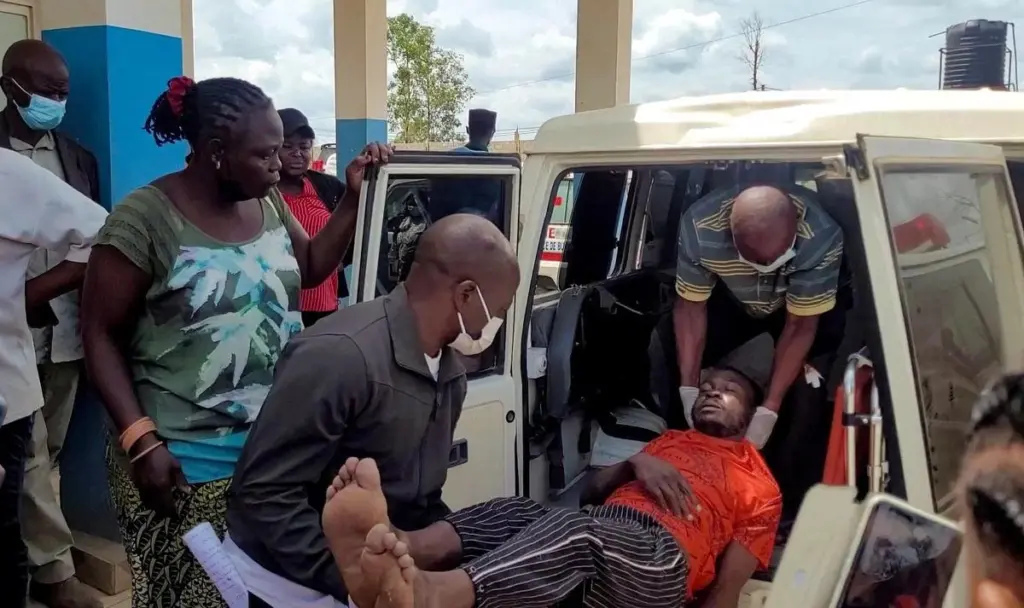
Health officials and international disease experts are closely monitoring a growing Ebola outbreak emergency after cases linked to the rare Bundibugyo strain of the Ebola virus triggered renewed concern across parts of Africa and raised global public health attention.
The outbreak has reignited widespread online searches about what Ebola actually is, how it spreads, and what symptoms people should watch for as authorities work to contain infections connected to one of the world’s deadliest viral diseases.
Although Ebola outbreaks remain relatively rare compared with many other infectious diseases, the virus carries an extremely serious reputation because of its high fatality rate, rapid symptom progression, and history of devastating outbreaks in several African countries.
Now, with the uncommon Bundibugyo strain once again drawing attention, health organizations are warning that public awareness and rapid response remain critical.
What Is Ebola Virus?
Ebola virus disease, commonly known simply as Ebola, is a severe and often deadly illness caused by viruses belonging to the Ebolavirus family.
The disease was first identified in 1976 near the Ebola River in what is now the Democratic Republic of Congo, where one of the earliest known outbreaks occurred.
Since then, multiple Ebola outbreaks have been recorded across parts of Central and East Africa, with some becoming major international health emergencies.
The virus attacks the body aggressively, damaging the immune system and organs while causing severe inflammation and internal complications.
Ebola is considered highly dangerous because it can spread through direct contact with infected bodily fluids and can worsen very quickly once symptoms begin.
Several strains of Ebola virus exist, including:
- Zaire ebolavirus
- Sudan ebolavirus
- Bundibugyo ebolavirus
- Taï Forest ebolavirus
The current concern involves the Bundibugyo strain, which is less common than some other Ebola variants but still capable of causing serious outbreaks.
What Is the Bundibugyo Virus?
Bundibugyo ebolavirus is a species of Ebola virus first identified during an outbreak in Uganda in 2007.
The strain was named after the Bundibugyo district where the outbreak began.
Although not as widely known as the Zaire strain associated with several major Ebola emergencies, Bundibugyo virus remains highly dangerous and can still produce severe illness and death.
Health experts say the strain may have a somewhat lower fatality rate compared with certain other Ebola variants, but outbreaks still require rapid containment efforts because transmission can escalate quickly if public health systems become overwhelmed.
The current spread of the virus has triggered emergency monitoring and response measures aimed at limiting infections before the outbreak expands further.
How Ebola Spreads
One of the most important things health officials emphasize during Ebola outbreaks is that the virus does not spread through casual airborne exposure like the flu or common cold.
Instead, Ebola primarily spreads through direct contact with bodily fluids from infected individuals.
This can include contact with:
- Blood
- Vomit
- Saliva
- Sweat
- Urine
- Feces
- Semen
- Contaminated surfaces or medical equipment
Healthcare workers and family caregivers are often considered especially vulnerable during outbreaks if proper protective measures are not used.
The virus can also spread through contact with infected animals, particularly bats and nonhuman primates believed to play roles in Ebola transmission cycles.
Public health agencies repeatedly stress that early isolation and infection control measures are critical for preventing wider spread.
Ebola Symptoms Explained
Ebola symptoms can begin suddenly and often resemble several other viral illnesses during the early stages, which sometimes makes initial diagnosis difficult.
Common early symptoms may include:
- Fever
- Severe fatigue
- Muscle pain
- Headache
- Weakness
- Sore throat
As the illness progresses, symptoms can become much more severe.
Later-stage Ebola symptoms may involve:
- Vomiting
- Diarrhea
- Rash
- Stomach pain
- Internal bleeding
- External bleeding
- Organ complications
In severe cases, patients may experience bleeding from the nose, gums, eyes, or other areas as the virus disrupts normal blood clotting and damages blood vessels.
Health officials warn that rapid medical treatment and supportive care significantly improve survival chances.
Because Ebola symptoms can initially resemble diseases such as malaria or typhoid fever, laboratory testing is often required to confirm infections.
Why Ebola Outbreaks Cause Global Concern
Even though Ebola outbreaks usually remain geographically limited, the disease receives major international attention because of how deadly and frightening the virus can be.
Past outbreaks have overwhelmed healthcare systems, triggered international travel restrictions, and created widespread fear within affected communities.
The largest Ebola outbreak in history occurred in West Africa between 2014 and 2016, causing thousands of deaths and becoming a major global public health crisis.
That outbreak demonstrated how quickly Ebola can spread when healthcare infrastructure struggles to contain infections.
Modern global travel also increases concern about the possibility of infected individuals crossing borders before symptoms become obvious.
As a result, international health agencies closely monitor every confirmed outbreak regardless of size.
How Health Officials Respond
Once Ebola cases are identified, health agencies typically move quickly to contain transmission through several emergency measures.
Response efforts often include:
- Isolation of infected patients
- Contact tracing
- Community education
- Travel monitoring
- Protective equipment distribution
- Laboratory testing
- Vaccination campaigns where available
Medical teams also work to identify anyone who may have interacted closely with infected individuals in order to stop further spread.
One major challenge during Ebola outbreaks involves public fear and misinformation, which can sometimes interfere with containment efforts if communities distrust healthcare workers or avoid treatment centers.
Public awareness campaigns therefore become a major part of outbreak response strategies.
Vaccines and Treatment Progress
In recent years, scientists and global health organizations have made significant progress in developing Ebola vaccines and treatment methods.
Vaccines have shown effectiveness against certain Ebola strains, particularly the Zaire variant responsible for several major outbreaks.
However, because multiple Ebola species exist, vaccine protection may vary depending on the strain involved.
Researchers continue working to improve treatments, antiviral therapies, and rapid diagnostic tools capable of responding to future outbreaks more effectively.
Supportive care remains critically important for Ebola patients and may include hydration, oxygen support, blood pressure stabilization, and treatment of secondary infections.
Early medical intervention often greatly improves survival chances.
Fear and Public Attention Rising Again
The renewed spread of the Bundibugyo virus has once again placed Ebola in global headlines and reignited public anxiety surrounding infectious disease outbreaks.
Online searches related to Ebola symptoms, transmission, vaccines, and outbreak updates have surged as people attempt to understand the risks connected to the current emergency.
Health experts continue emphasizing that awareness, rapid response, and proper medical precautions remain the most effective tools for controlling outbreaks before they expand further.
At the same time, officials are urging the public not to panic while encouraging people to rely on verified medical information rather than misinformation spreading online.
Global Health Systems Remain Alert
As the rare Bundibugyo Ebola strain continues drawing international attention, health agencies around the world remain on alert for additional developments.
While outbreaks remain primarily concentrated in affected regions, the history of Ebola has shown how quickly local health emergencies can evolve into larger international concerns if containment efforts fail.
For now, medical teams and public health officials are focused on tracking cases, protecting healthcare workers, and preventing wider transmission.
The latest Ebola emergency is also serving as another reminder that global infectious disease threats continue requiring constant monitoring, scientific cooperation, and rapid international response.