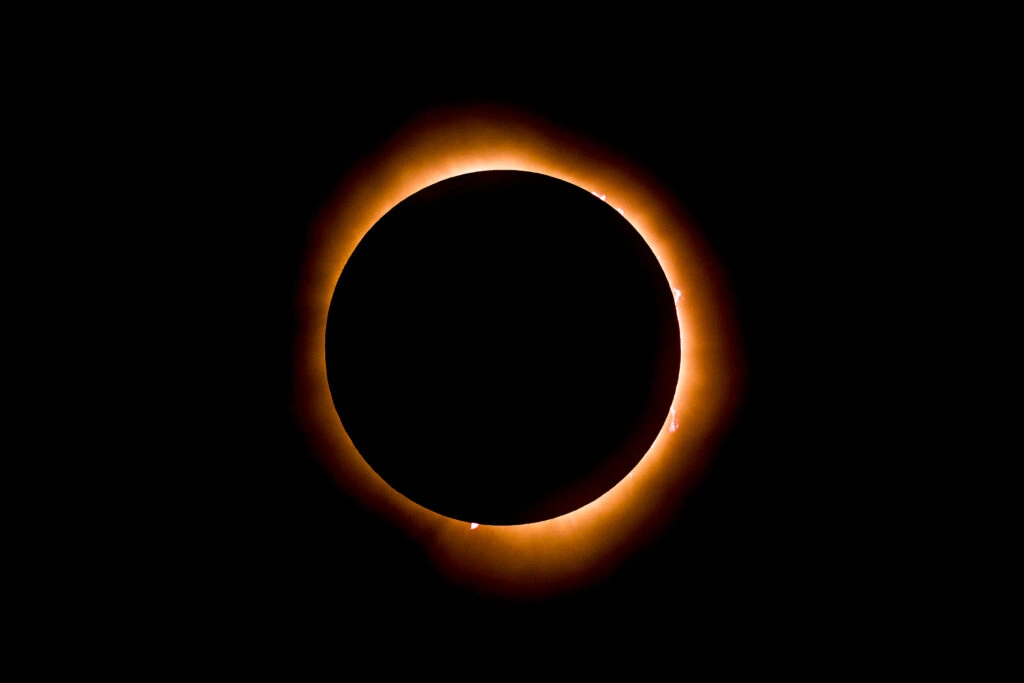
Spain is preparing for what many experts believe could become one of the country’s biggest astronomy tourism events in modern history as excitement builds around the highly anticipated 2026 total solar eclipse.
Travelers from across Europe, North America, and other parts of the world are already planning trips to Spain’s countryside regions, coastal towns, and rural viewing areas in hopes of witnessing the rare celestial event under ideal conditions.
Hotels, local tourism offices, transportation companies, and small communities located along the eclipse path are beginning to see growing interest from visitors eager to secure accommodations long before the historic event arrives.
Astronomy experts say the eclipse could transform quiet rural destinations into international hotspots for a few unforgettable days.
Why the 2026 Eclipse Is So Important
Total solar eclipses remain among the rarest and most dramatic natural events visible from Earth.
During a total eclipse, the moon moves directly between the Earth and the sun, temporarily blocking sunlight and turning daytime skies dark for a brief period.
The 2026 eclipse has generated enormous attention because parts of Spain are expected to offer some of the best viewing opportunities in Europe.
Unlike partial eclipses, a total solar eclipse creates an entirely different experience. Temperatures can suddenly drop, stars may briefly appear, and the sun’s outer atmosphere, known as the corona, becomes visible.
Many eclipse chasers travel internationally specifically to experience those few extraordinary minutes.
Astronomers say Spain’s geography, tourism infrastructure, and accessibility make it one of the most attractive destinations for the upcoming event.
Rural Spain Suddenly in Demand
One of the most surprising effects of eclipse tourism is the sudden popularity of smaller countryside locations.
While major cities will still attract visitors, many experienced eclipse travelers prefer remote or rural areas with clearer skies, lower light pollution, and wider open landscapes.
As a result, villages and agricultural regions positioned within the eclipse path are now preparing for a possible surge of international tourists.
Some rural accommodations have reportedly already started receiving early inquiries from astronomy enthusiasts and travel groups.
Local officials see the eclipse as a major economic opportunity for communities that do not usually receive large tourism waves outside traditional holiday seasons.
Restaurants, guesthouses, campgrounds, and family-run hotels could all benefit from the influx of visitors.
Hotels and Rentals Filling Early
Travel experts say eclipse-related bookings tend to happen much earlier than standard vacation travel because travelers want to secure ideal viewing locations years in advance.
That trend is already beginning in parts of Spain expected to fall along the eclipse’s totality path.
Hotels with rooftop views, countryside access, or elevated landscapes are expected to become especially popular.
Vacation rental owners are also preparing for increased demand as astronomy tourism continues growing worldwide.
Past eclipses in other countries created massive spikes in accommodation prices, traffic congestion, and sold-out transportation systems near prime viewing zones.
Spanish tourism authorities are hoping early planning will help reduce logistical challenges and improve visitor experiences during the event.
Small Towns Preparing for Huge Crowds
Communities that normally remain quiet during summer months may suddenly find themselves hosting thousands of eclipse tourists.
Local governments are already beginning discussions involving:
- Traffic management
- Emergency services
- Temporary parking
- Public viewing areas
- Tourism information centers
- Safety planning
- Crowd control measures
Some towns are also considering eclipse-themed festivals, science events, and educational activities to extend tourism benefits beyond the eclipse itself.
Business owners see the event as a rare opportunity to introduce international visitors to lesser-known regions of Spain.
For many rural communities, the eclipse may become one of the biggest tourism moments they have ever experienced.
Astronomy Tourism Continues Growing
The excitement surrounding the 2026 eclipse reflects a much larger global trend involving astronomy tourism.
More travelers are now planning vacations around celestial events such as eclipses, meteor showers, northern lights, and dark-sky experiences.
Social media has helped fuel interest by allowing travelers to share dramatic eclipse photography and personal experiences from around the world.
For many people, seeing a total solar eclipse becomes a once-in-a-lifetime event.
Some eclipse enthusiasts even travel repeatedly across continents chasing different eclipses whenever opportunities appear.
Spain now finds itself at the center of that growing international fascination.
Experts Warn Travelers to Plan Carefully
Despite the excitement, travel experts are warning people not to underestimate the planning required for eclipse travel.
Popular viewing regions could face:
- Heavy road congestion
- Long fuel station lines
- Limited accommodations
- Cell service overload
- Transportation delays
- Crowded public spaces
Weather conditions also remain an important factor.
Even though Spain offers favorable viewing potential, cloud cover could still impact visibility in some areas. Experienced eclipse travelers often prepare backup viewing plans in different regions to improve their chances.
Experts are encouraging travelers to book accommodations early and remain flexible with transportation plans.
Safety Glasses and Viewing Rules Important
Astronomy organizations continue reminding travelers that proper eye protection is essential during solar eclipses.
Looking directly at the sun without approved eclipse glasses can cause serious eye damage, even during partial eclipse phases.
Only certified solar viewing glasses designed specifically for eclipse observation should be used.
Tourism groups and local organizers are expected to distribute educational materials closer to the event to help visitors safely enjoy the experience.
Photography enthusiasts are also preparing specialized equipment to capture the rare celestial moment.
Spain Could See Major Economic Impact
Tourism analysts believe the eclipse could deliver a substantial economic boost across several Spanish regions.
Restaurants, transportation providers, retailers, tour companies, and hospitality businesses are all expected to benefit from increased international travel activity.
Past eclipse events in countries like the United States generated hundreds of millions of dollars in tourism spending.
Spain may experience similar benefits if international demand continues growing over the next year.
The event could also strengthen Spain’s reputation as a destination for science tourism and outdoor travel experiences.
Countdown Already Building
Although the eclipse is still ahead, excitement is already building quickly among travelers, astronomers, photographers, and tourism operators.
For many visitors, the appeal goes beyond science alone.
A total solar eclipse creates a shared emotional experience that people often describe as unforgettable. The sudden darkness, changing sky colors, and atmosphere of anticipation can leave lasting memories long after the event ends.
As Spain prepares for the historic 2026 eclipse, rural towns, tourism officials, and travelers are all beginning the countdown toward what could become one of Europe’s most remarkable travel events in years.