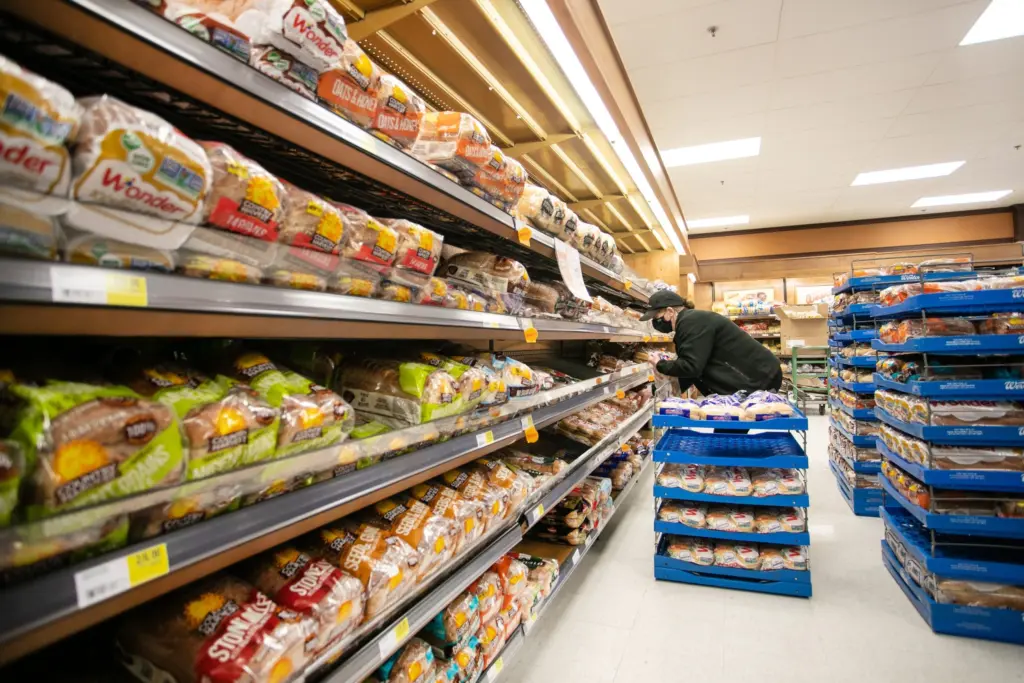
Canadians are once again talking about the country’s long-running bread price-fixing scandal after major developments tied to the Canada Bread settlement brought renewed attention to compensation payments and corporate accountability.
The massive legal case, which has hovered over the grocery industry for years, continues to impact consumers, retailers, and food companies across the country. With settlement discussions and payment updates returning to headlines, many Canadians are revisiting questions about how bread prices were allegedly manipulated for years and what it means for grocery shoppers today.
The broader controversy involving major grocery players, including Loblaws and Canada Bread, became one of the most widely discussed competition cases in Canadian retail history.
Now, as settlement money begins moving through legal channels, public interest is growing all over again.
What Was the Bread Price-Fixing Scandal?
The bread price-fixing investigation centered around allegations that major grocery and baking companies coordinated bread price increases over an extended period.
Competition authorities claimed certain companies participated in arrangements that artificially raised the cost of packaged bread products sold to Canadian consumers.
The controversy became national news after Loblaw Companies and its parent company George Weston publicly acknowledged their participation in an industry-wide pricing arrangement and cooperated with investigators.
That admission triggered years of legal action, investigations, proposed settlements, and consumer frustration.
For many Canadians, the scandal became symbolic of wider concerns surrounding rising grocery costs and corporate power within the food industry.
Why the Canada Bread Settlement Matters
The reported $500 million Canada Bread settlement represents one of the largest financial developments connected to the broader case.
The settlement is intended to resolve legal claims tied to the alleged overcharging of consumers and businesses that purchased bread products during the affected years.
While settlements do not always involve admissions of wrongdoing, they often serve as a way to resolve lengthy litigation without extended courtroom battles.
Legal experts say the size of the settlement highlights how seriously courts and regulators viewed the allegations.
For consumers, the settlement also represents a rare moment where large-scale grocery pricing concerns resulted in meaningful financial action rather than public controversy alone.
Loblaws Remains at the Center of the Story
Loblaws continues to remain one of the most recognizable names linked to the bread pricing scandal.
The company previously introduced a customer compensation program offering gift cards to eligible Canadians after publicly disclosing its involvement in the industry arrangement.
At the time, millions of Canadians applied for compensation cards, creating enormous public discussion about grocery pricing transparency and consumer trust.
Although years have passed since the original revelations, many Canadians still associate the scandal directly with Loblaws because of the company’s central role in bringing the issue into public view.
The latest settlement developments have now pushed the story back into national conversation.
Canadians Still Frustrated About Grocery Prices
The renewed attention arrives at a time when grocery affordability remains a major issue across Canada.
Food prices have risen sharply in recent years due to inflation, supply chain disruptions, transportation costs, and global economic pressures. Because of that, many Canadians view the bread price-fixing case through a broader lens of frustration toward rising living expenses.
For some consumers, the scandal damaged long-term trust in major grocery chains.
Others believe the case exposed how vulnerable essential household products can be to corporate pricing behavior behind the scenes.
Even though the alleged conduct dates back years, the emotional reaction surrounding food affordability remains strong today.
Who Could Receive Settlement Payments?
Settlement payments connected to class-action lawsuits are typically distributed through legal claims processes managed by courts and administrators.
Depending on the structure of the final agreements, eligible Canadians who purchased bread products during specific time periods may qualify for compensation.
Businesses that purchased large amounts of bread products could also potentially participate in claims.
However, exact payment amounts often vary based on:
- Number of approved claims
- Court approval stages
- Distribution costs
- Proof requirements
- Final settlement terms
In many class-action settlements, individual payments may not be extremely large for everyday consumers, especially when millions of people qualify.
Still, legal experts say the broader principle of accountability often matters just as much as the financial amount itself.
Competition Laws Under Greater Scrutiny
The bread pricing scandal also intensified public discussion around Canada’s competition laws and grocery industry concentration.
Critics argued the case demonstrated weaknesses in market oversight and raised questions about how competitive some sectors truly are.
Since then, policymakers and consumer advocates have pushed for stronger protections against anti-competitive behavior, particularly in industries tied to essential household expenses.
The grocery industry now faces much heavier public scrutiny than before the scandal emerged.
Consumers have become increasingly aware of pricing patterns, supplier relationships, and corporate market influence across Canada’s food sector.
Legal Proceedings Have Taken Years
One reason the story continues resurfacing is the unusually long timeline involved in large corporate competition cases.
Investigations, negotiations, court approvals, appeals, and class-action processes often stretch across many years before final settlements are distributed.
For many Canadians, it can feel surprising to see new developments tied to a controversy first exposed years earlier.
But legal experts say major corporate litigation involving multiple companies and millions of affected consumers is naturally slow and complex.
That lengthy process is one reason settlement announcements continue generating headlines even long after the original allegations became public.
Public Trust Still Recovering
The scandal’s long-term impact may ultimately extend beyond financial settlements alone.
Public trust in large grocery chains suffered after the allegations became widely known. Many consumers began paying closer attention to pricing practices and corporate behavior inside Canada’s grocery sector.
At the same time, grocery companies have faced growing political and public pressure over affordability issues, profit margins, and food inflation.
The bread price-fixing controversy remains one of the clearest examples of how deeply consumers react when essential products become tied to allegations of coordinated pricing.
Why the Story Still Resonates
Bread is one of the most common household staples in Canada. That simple fact helped make the scandal feel personal for millions of people.
Unlike complex financial controversies involving specialized products, this case centered around something almost every family purchases regularly.
That emotional connection continues driving public interest years later.
As settlement payments move forward and legal proceedings continue evolving, the Canada Bread case remains a powerful reminder of how corporate pricing controversies can reshape public trust, trigger national debate, and place the grocery industry under lasting scrutiny.